 9.1
Fejwlvs
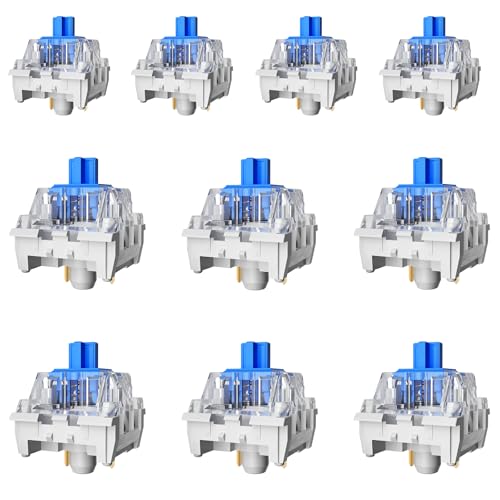
ZhouWang 36PCS Blue Click Switch
$6.99
Blue keyboards Budget Gaming keyboards Travel keyboards Waterproof keyboards
Clicky and tactile switches that provide audible feedback for typists 11 keyboards · 7 brands
9.1
Blue keyboards Budget Gaming keyboards Travel keyboards Waterproof keyboards
 8.7
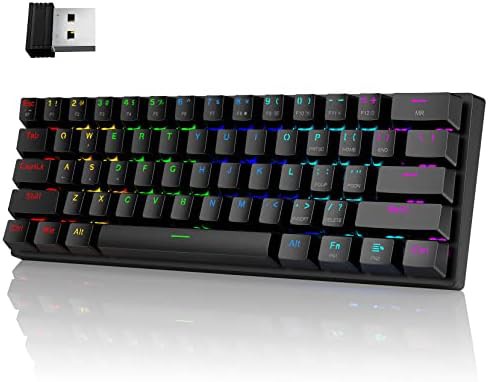
Blue Wireless keyboards Wired keyboards Mechanical keyboards Gaming keyboards Compact keyboards
 8.6
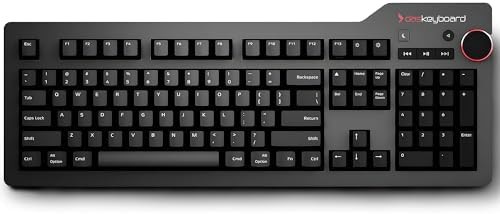
Black Wired keyboards Mechanical keyboards For Mac Aluminum keyboards With knob
 8.6
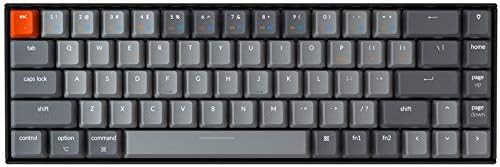
Blue Wireless keyboards Wired keyboards Mechanical keyboards Gaming keyboards For Windows
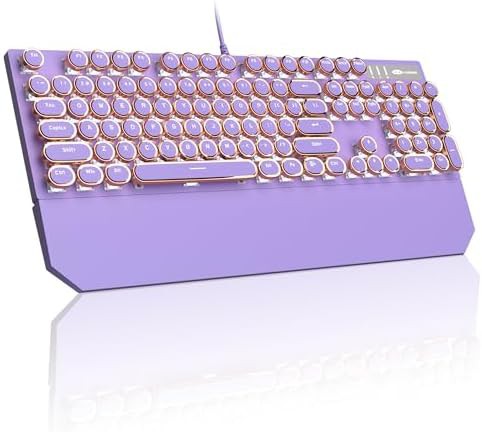
Blue Wired keyboards Mechanical keyboards Gaming keyboards For Mac Backlit keyboards
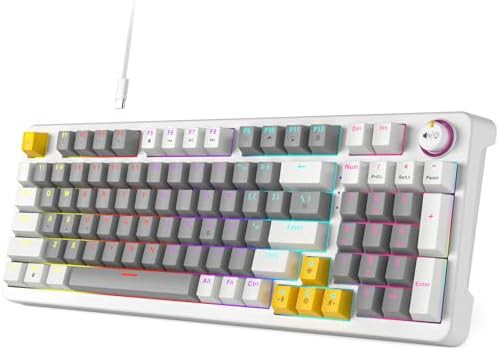
Gray Wired keyboards Gaming keyboards Compact keyboards RGB keyboards Budget
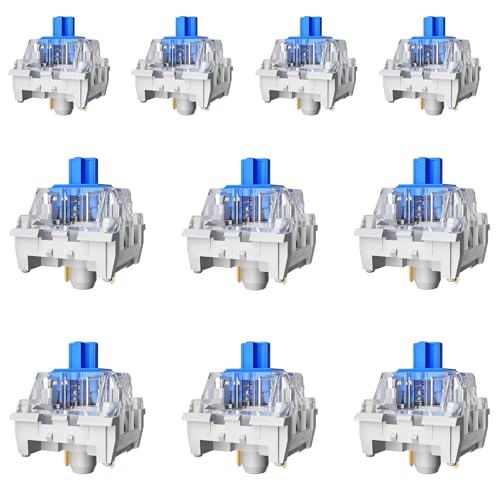
Blue keyboards Budget Gaming keyboards Travel keyboards Waterproof keyboards
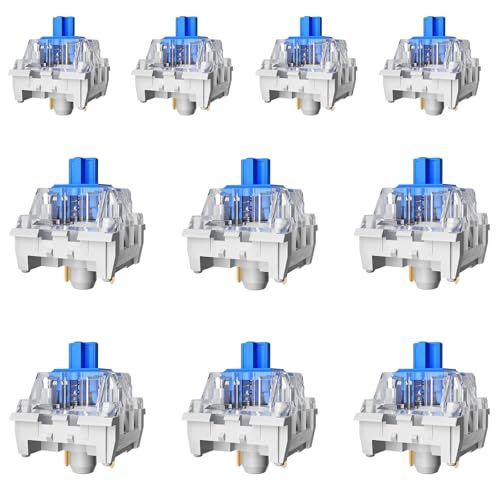
Blue keyboards Budget Gaming keyboards Travel keyboards Waterproof keyboards
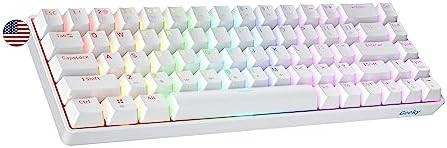 8.6
Blue Mechanical keyboards Gaming keyboards For Mac Backlit keyboards RGB keyboards
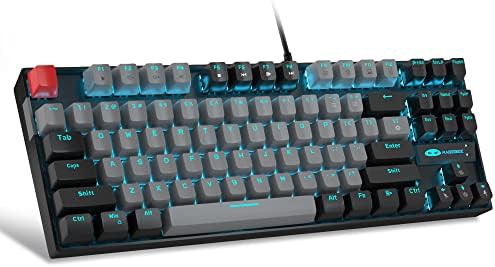 8.5
Black Wired keyboards Mechanical keyboards Gaming keyboards For Windows Backlit keyboards
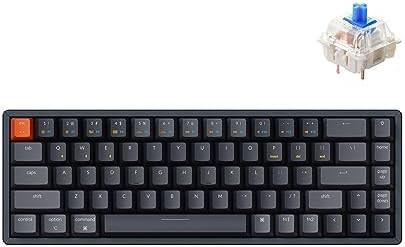 7.7
Blue Wireless keyboards Wired keyboards Mechanical keyboards For Windows Compact keyboards
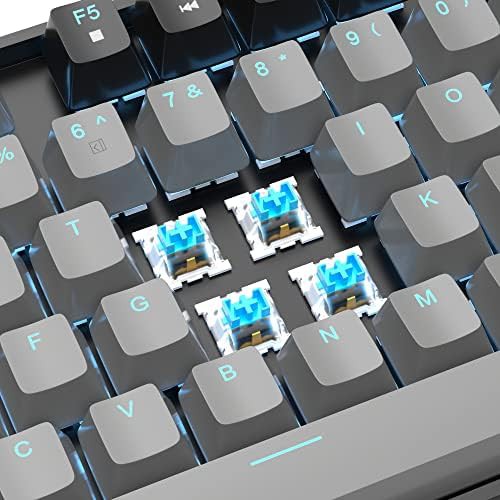
Yes. Blue switches are clicky and produce an audible click on each keypress, along with a tactile bump. That sound is the main reason buyers choose them or avoid them.
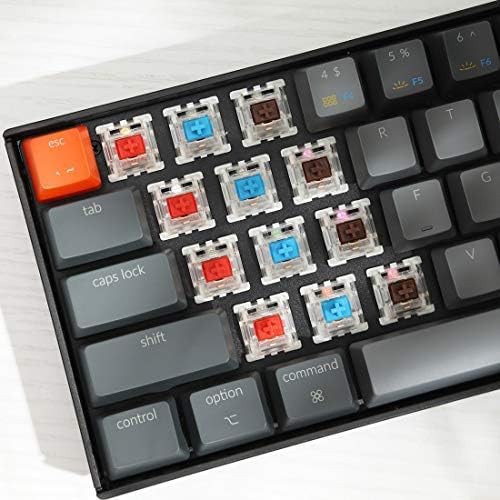
Blue switches click and bump when pressed, while linear switches travel smoothly without a bump or click. Linear switches are quieter and are often chosen for shared spaces.
Yes. Samples include 60 percent, 65 percent, 75 percent, 87-key, 96 percent, and 104-key layouts. The switch type stays the same across those sizes.
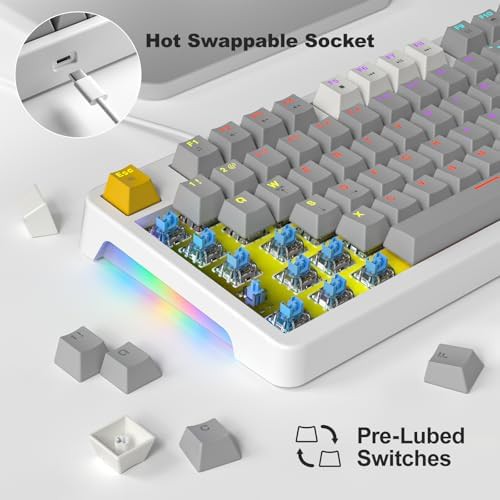
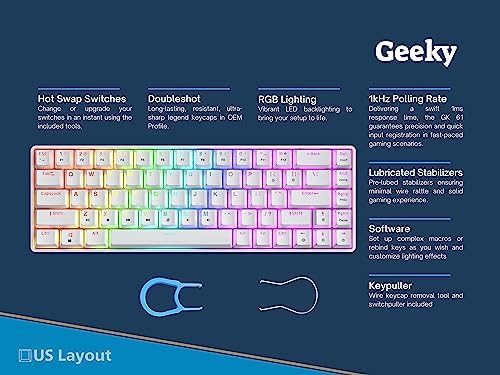
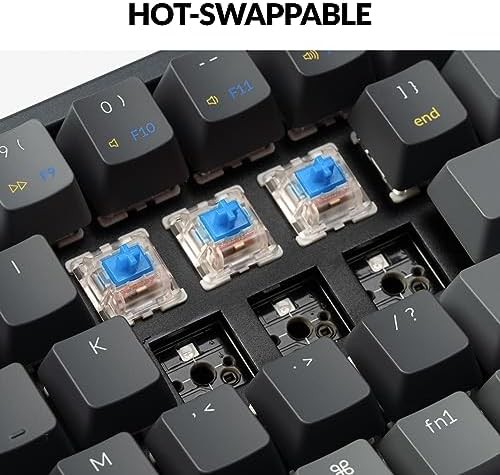
Some are. Several samples list hot-swappable sockets, while others do not specify. Check the individual model if you plan to change switches.
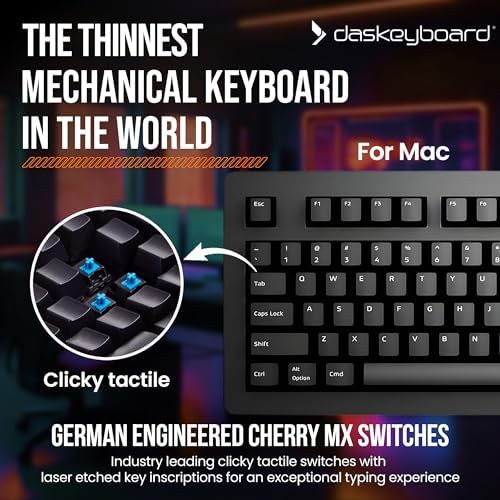
Blue switch keyboards use a clicky, tactile switch that produces an audible click and a bump when the key actuates. The switch type is the defining product feature here, not the layout or case. Samples span 60 percent, 65 percent, 75 percent, 96 percent, and 104-key sizes, so the switch is the common thread rather than the form factor.
The click is the point: it gives audible and tactile confirmation on each press. That makes blue switches distinct from linear switches, which are smooth and silent, and from tactile-only switches, which bump without the click. Buyers who want quiet operation typically look at linear or low-profile switches instead.
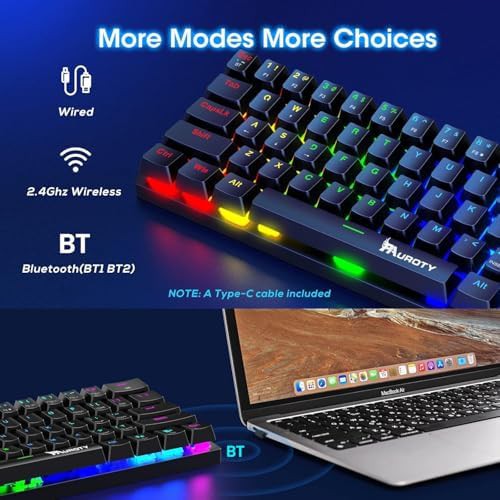
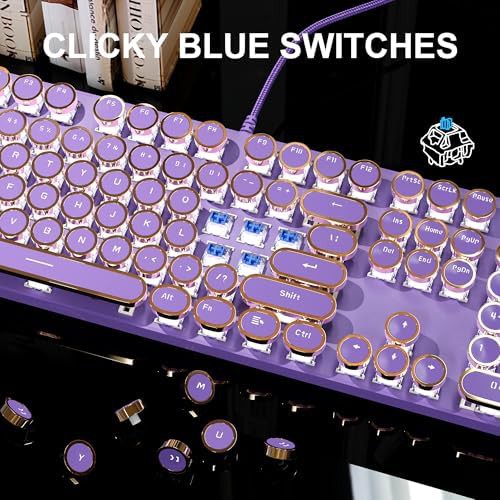
Observed models pair blue switches with a range of backlighting, including RGB, LED white, and multi-color RGB. Some boards are wired only, while others list wireless or triple-mode connectivity. Case colors in the samples include black, grey, and white, with one typewriter-style model using round keycaps.
Sizes range from a 60 percent compact board to a full 104-key layout, with 65 percent, 75 percent, 87-key, and 96-key models also present. Keycap materials and profiles vary: one sample lists PBT, another uses round retro-style keycaps, and several do not specify. Aluminum top plates appear on at least one full-size model.
Hot-swappable sockets show up on several samples, including the 65 percent and 96 percent boards. Others, like the 104-key typewriter model and the 87-key TKL, do not list hot-swap support. A magnetic wrist rest is included with one full-size typewriter-style keyboard.